
When creating high-quality custom sportswear, the printing process is just as important as the fabric and design itself. Whether you are producing custom soccer jerseys, basketball uniforms, teamwear, or custom athletic apparel, choosing the right printing method directly affects durability, comfort, color quality, and overall performance.
Modern sportswear manufacturing uses several advanced printing technologies, each designed for different fabrics, production volumes, and design requirements.
In this guide, we explain the most common sportswear printing methods, their advantages, disadvantages, and the best applications for each process.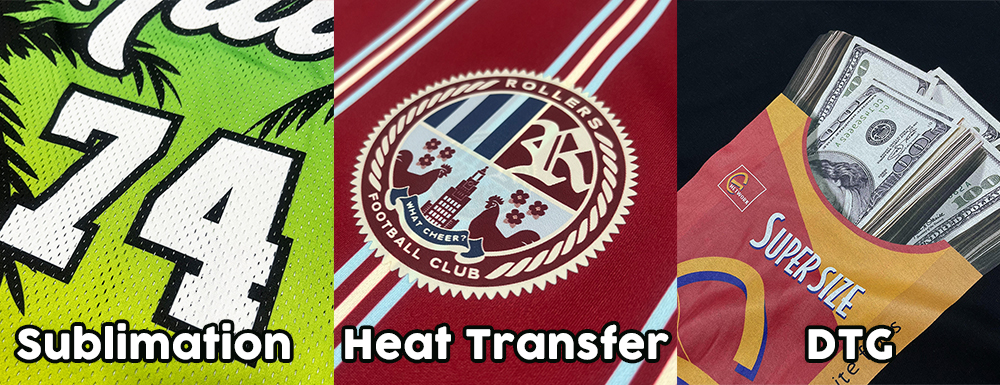
Sublimation printing is one of the most widely used printing methods in the sportswear industry. It uses heat and pressure to transfer dye directly into polyester fabric fibers, creating vibrant and permanent graphics.
Unlike traditional surface printing, sublimation becomes part of the fabric itself, which means the design will never crack, peel, or fade.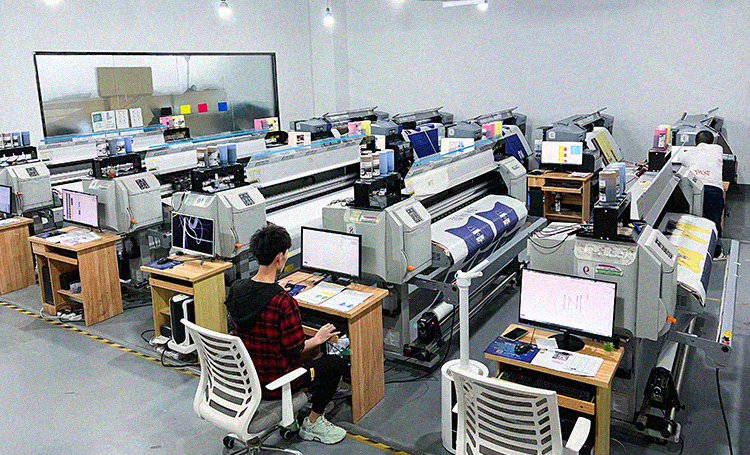
Sublimation is ideal for:
Because athletes require breathable, lightweight, and flexible garments, sublimation offers superior comfort compared to heavy vinyl or film printing.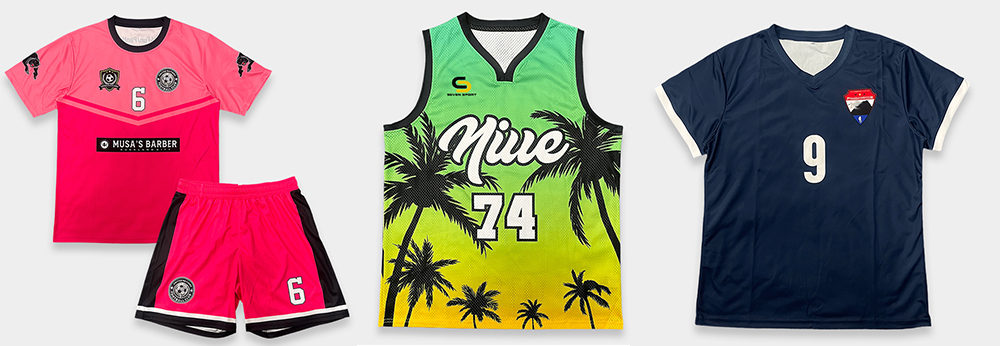
Sublimation allows full-color all-over printing without additional costs for extra colors.
The ink permanently bonds with the polyester fibers.
No thick print layer sits on top of the fabric.
Ideal for gradients, retro stripes, sponsor logos, and detailed artwork.
Widely used by professional sports clubs and custom sportswear manufacturers.
Sublimation is primarily suitable for polyester or high-polyester-blend materials.
White or light-colored polyester fabrics achieve the most accurate color output.
Heat transfer printing uses heat and pressure to apply graphics from transfer film or transfer paper onto garments.
This method is commonly used for:
Designs are printed onto transfer film and heat-pressed onto fabric.
Cut vinyl graphics are applied using heat pressing.
Graphics are printed onto special transfer paper using inkjet printers.
Ideal for low-volume production and quick customization.
Unlike sublimation, heat transfer can be applied to cotton garments.
Useful for names, numbers, and sponsor applications.
Large transfer areas may feel heavy or less comfortable.
Lower-quality transfers may crack or peel after repeated washing.
Heavy film layers can affect athlete comfort and flexibility.
Screen printing pushes ink through mesh screens onto fabric surfaces. It remains one of the most traditional apparel printing methods worldwide.
This process is commonly used for:
Produces bold and solid colors.
Very economical for bulk production.
Long-lasting when properly produced.
Multi-color detailed designs require multiple screens.
Less efficient for small orders.
Heavy ink layers reduce breathability.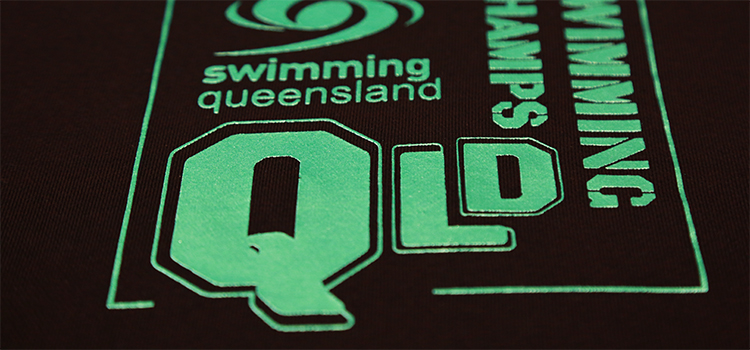
DTG printing uses specialized printers to print designs directly onto garments, similar to paper printing technology.
This method is popular for:
Perfect for photographic and artistic designs.
Ideal for one-off printing.
Great for prototypes and custom samples.
Less efficient than sublimation for mass production.
Works best on cotton fabrics.
Not as durable as sublimation during intense athletic use.
| Printing Method | Best Fabric | Durability | Breathability | Best For |
|---|---|---|---|---|
| Sublimation Printing | Polyester | Excellent | Excellent | Sportswear & Team Uniforms |
| Heat Transfer | Cotton / Polyester | Medium | Medium | Names & Small Orders |
| Screen Printing | Cotton | Good | Medium | Bulk Casual Apparel |
| DTG Printing | Cotton | Medium | Good | Fashion & Small Batch |
For professional athletic apparel, sublimation printing remains the best choice because it provides:
This is why most modern custom soccer jerseys, basketball uniforms, volleyball jerseys, and team sportswear are produced using sublimation technology.
As a professional sportswear manufacturer and team uniform supplier, we recommend sublimation for most performance apparel because it offers:
We can customize:
With:
Minimum order quantity starts from only 10 pieces.
Understanding the differences between sublimation printing, heat transfer, screen printing, and DTG printing helps brands, clubs, and teams choose the best solution for their apparel projects.
For modern sportswear, sublimation continues to be the industry-leading technology thanks to its durability, comfort, and unlimited design capabilities.
If you are looking for a reliable custom sportswear manufacturer, feel free to contact us for professional advice, free mockups, and factory-direct pricing.


